
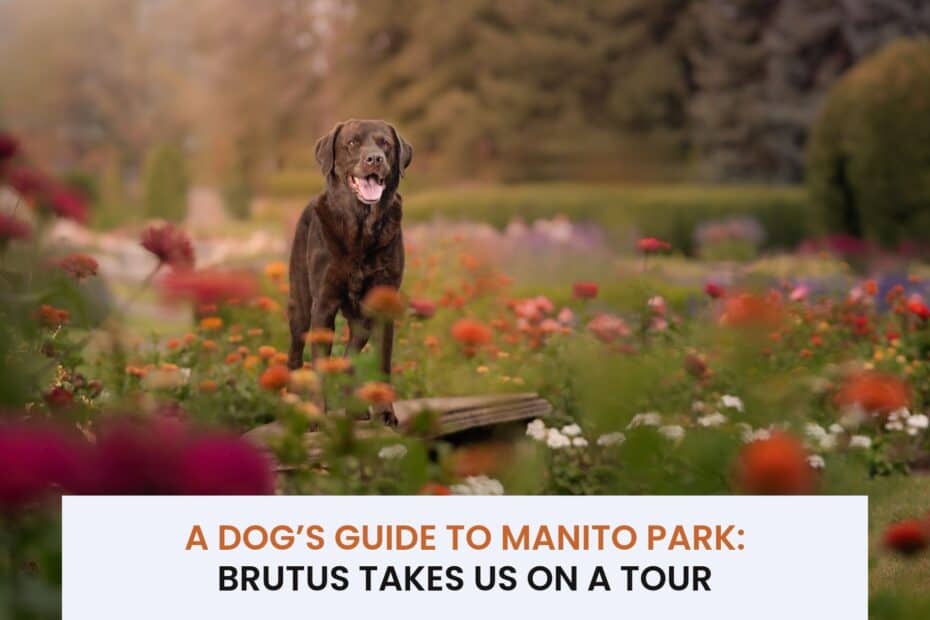
Brutus has been holding hands since he was a puppy.
Not metaphorically.
If someone settles into the recliner at home, the 9-year-old chocolate Labrador will walk over, put one paw on their hand and leave it there.
That’s Brutus.
His person, Sadae, says he has always been an unusually easy, loving dog. She trained him, of course, but some of the qualities that make Brutus Brutus seemed to arrive already installed.
Like how he pays attention to his humans. If someone is sad or worried, Brutus notices. He stays physically close to them. He looks at them, really looks at them, with the kind of eye contact Sadae describes as though he can read your soul.
But Brutus is hardly a couch potato philosopher.
He is an adventure dog.
For nine years, he has gone pretty much everywhere with Sadae. They hike. They swim. They take long road trips through the woods to visit Grandma, who is 88 and lights right up when Brutus arrives.
His favorite things are water and tennis balls.
Checks out for a Lab, eh?
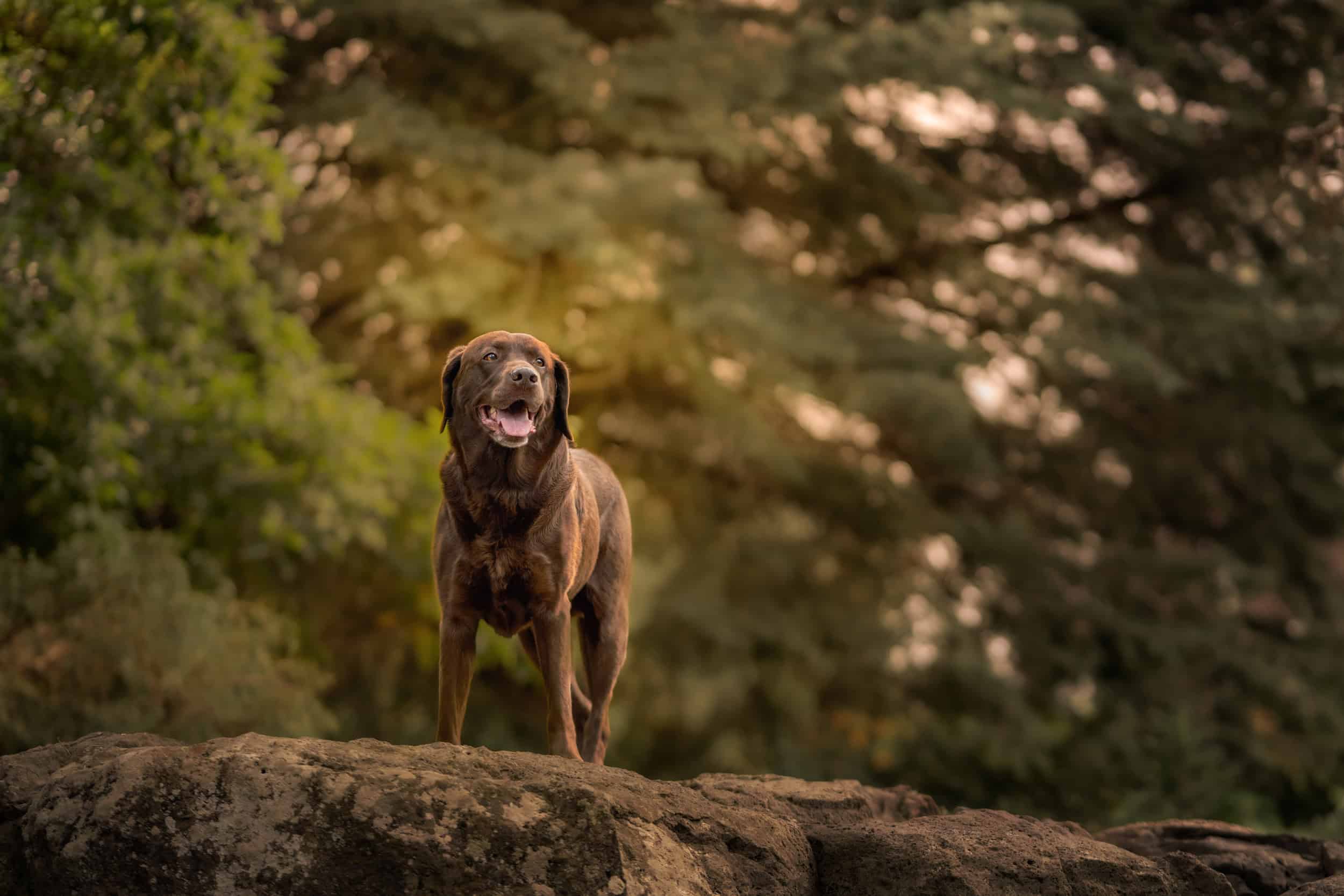
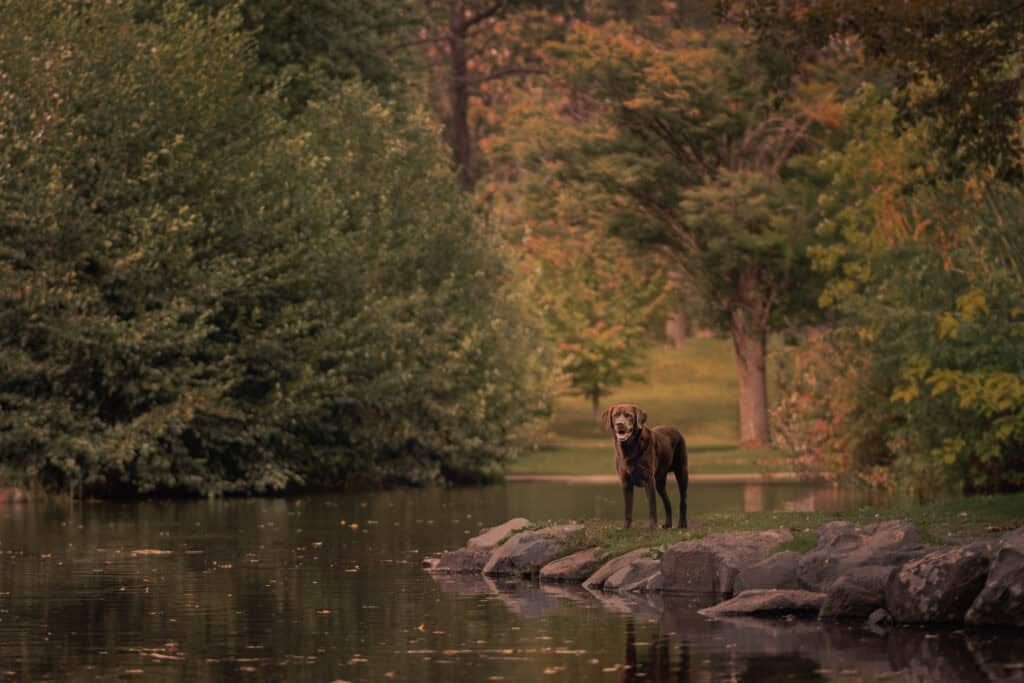
So when I needed the first dog for a new project celebrating the Inland Northwest through the dogs who live, hike, swim, sniff, explore and generally make this place better, Brutus seemed like a pretty damn good place to start.
Manito felt like the right place to start with him too, since I know Sadae is a big fan of flowers and plants and all the greenery things.
It is unmistakably Spokane, but it is also the kind of place that works beautifully for a dog like Brutus: room to wander, plenty to sniff, old trees, open lawns, quieter paths and enough variety that the whole outing feels like an adventure without asking a 9-year-old dog to tackle miles of trail.
And because Manito is one of those places so many of us think we already know, it felt like the perfect first stop for a project built around looking at familiar places a little differently.
Manito is more than the flowers
If you live in Spokane, you probably already know Manito.
Or at least you think you do.
There’s Duncan Garden. The roses. The Japanese Garden. The conservatory. Mirror Pond. The giant lawns where generations of Spokane kids have run themselves stupid.
But one of the things I’m hoping to do with this project is look a little harder at places we think we know.
Manito was officially established as a city park in 1904. Today, Spokane Parks and Recreation maintains 78 acres of native and cultivated landscape plus another 20 acres of botanical gardens.
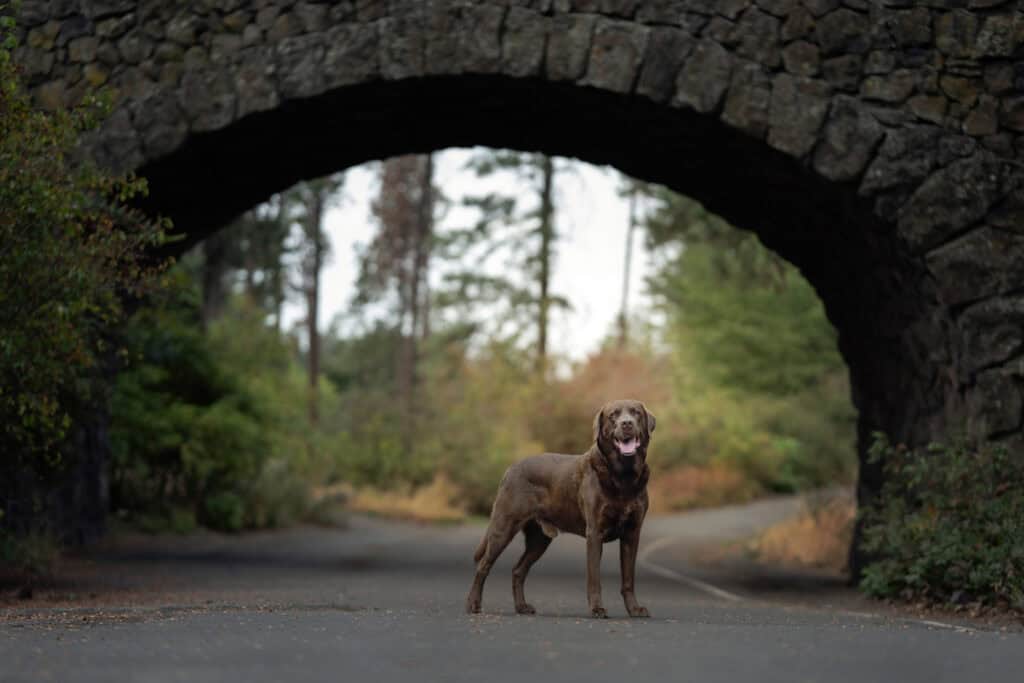
Five major garden areas are tucked inside the park: Duncan Garden, Rose Hill, the Lilac Garden, Joel E. Ferris Perennial Garden and Nishinomiya Tsutakawa Japanese Garden.
That variety is part of what makes Manito such a good place to explore with a dog. The city of Spokane has created a walking map PDF to help you on your journey.
You can walk beneath mature trees, wander broad lawns, pass formal gardens, watch ducks at Mirror Pond and disappear onto quieter paths without ever needing to get back into the car.
And photographically?
It is ridiculous.
Formal symmetry. Stone. Water. Flowers. Deep shade. Open lawns. Old trees. Long sight lines. Tiny pockets where the light sneaks through exactly where you need it.
I could photograph a dozen dogs at Manito and make every session look different.
Manito even had a zoo
Long before Spokane was planting roses and photographers were dominating the space for weddings and senior portrait sessions, part of Manito was home to a zoo.
Wait … what?
I know, right?
The park began as a much rougher recreational area with picnic spots, flower beds and animals. Rose Hill occupies part of the area once used for elk and deer, and remnants of the old rock enclosure can still be found northwest of the rose garden.
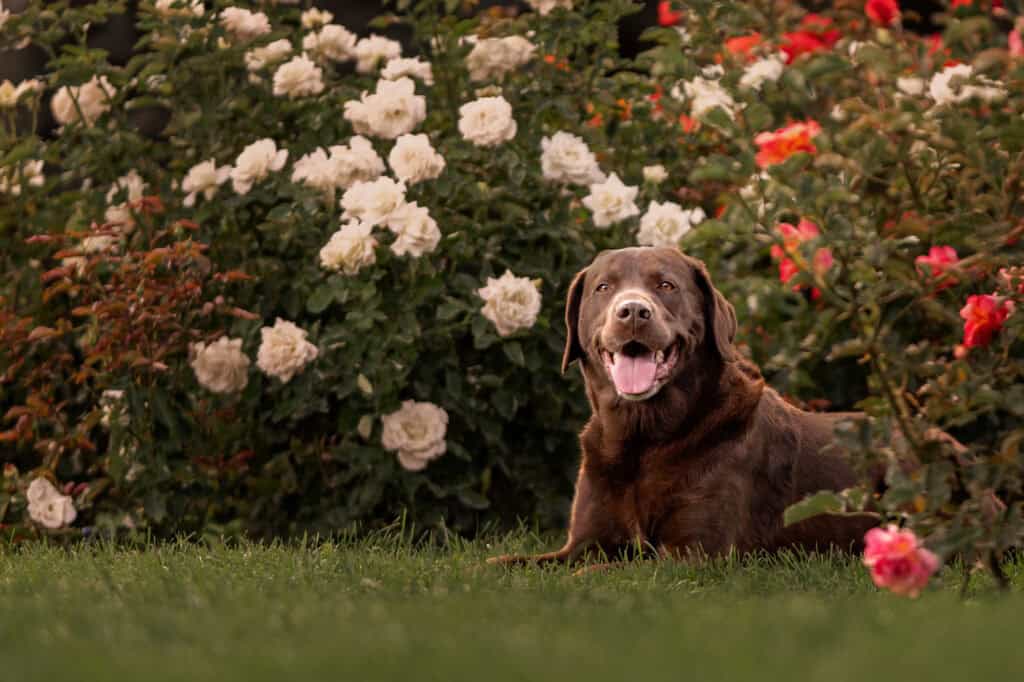
Cages for animals including coyotes, bobcats and skunks once lined what is now part of the rock garden area.
Which means there is an excellent chance thousands of people have wandered past pieces of old Spokane zoo history while thinking, “Huh. Rocks.”
This is why we look harder.
And it gets better.
The building we now know as the Park Bench Café dates to the zoo era. It opened in 1923 as the Peanut Shack, selling refreshments to park visitors and, yes, peanuts for the monkeys.
As a self-proclaimed history nerd, I love this completely unnecessary piece of Spokane information.
Mirror Pond was once an actual lake
Mirror Pond is another place where the history is stranger than the current landscape suggests.
It began as a natural lake, then called Mirror Lake, that could dry up during the summer. Eventually, a concrete bottom was installed so it would retain water year-round.
After that, people could rent canoes there. Between 1905 and 1907, there was also a dance hall nearby and open-air movies were shown in the area. So the quiet pond where we now stand to watch the ducks was once part boating spot, part movie theater, part nightlife district.
More recently, Mirror Pond got some serious attention. A major rehabilitation completed in 2020 dredged and deepened the pond and added wetland plantings designed to improve water quality and control the algae blooms that had plagued it for years.
So the pond Brutus explored is both one of Manito’s oldest features and one of its more recently restored ones.
This place has layers, dude.
Duncan Garden and one very large hole
Duncan Garden is probably the part of Manito most likely to end up on somebody’s Instagram feed.
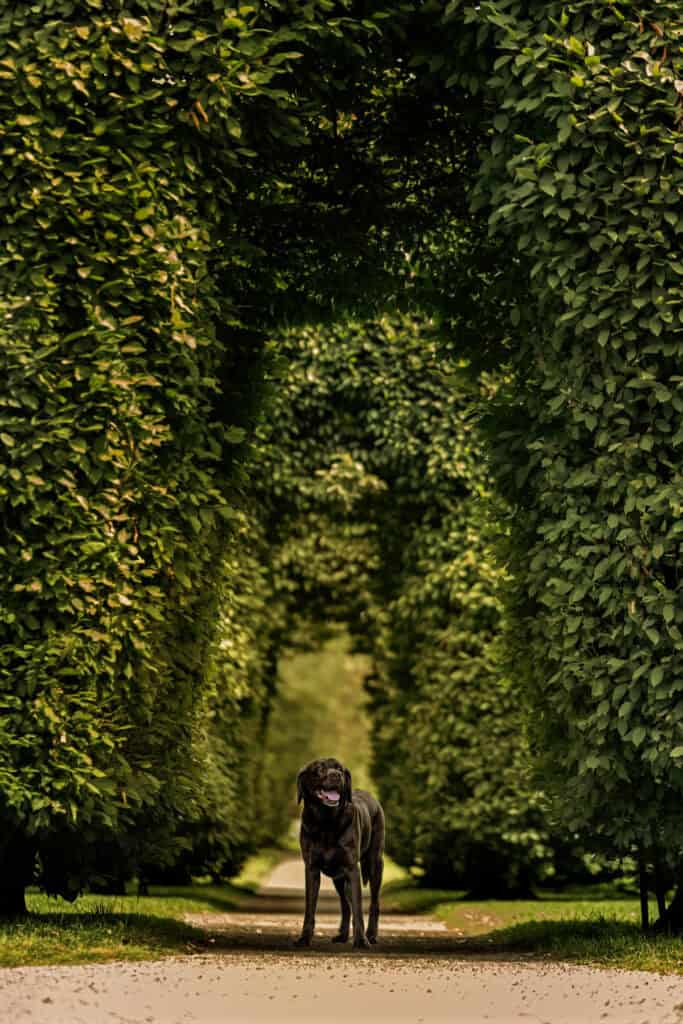
Three acres of formal European Renaissance-style design, manicured turf and annual flower beds create the kind of symmetry photographers start salivating over.
Its origin story is less elegant.
Before Duncan Garden existed, Manito’s first superintendent, Charles Balzer, removed enormous quantities of rich loam from the site to use elsewhere in Spokane’s parks.
The excavation left behind the depression that eventually became the Sunken Garden, later redesigned by superintendent John Duncan in 1912.
So yes, one of Spokane’s most formal landscapes exists in part because somebody looked at a giant hole and thought, “We can work with this.”
Respect.
The dog-human practical stuff
Here’s the stuff worth knowing before you load the dog into the car:
- Dogs: Welcome in the general park, but keep them leashed.
- Off-limits areas: Pets are not allowed in the Nishinomiya Tsutakawa Japanese Garden or the Gaiser Conservatory, except for service animals.
- Potty strategy: There is plenty of lawn and natural space, so give the dog a chance to pee before wandering near the manicured gardens.
- Poop bags: Bring them. Obviously.